
Australia
Part 1- Driving with a disability in Australia
Regulations for people with disabilities to obtain driving licences
In Australia, drivers licensing, regulation and road use enforcement are managed by each state and territory transport authorities respectively.
Obtaining a licence for people with a disability may be subject to a medical assessment, an occupational therapist driving assessment, and/or a disability driving test. Once an individual has successfully obtained their driving licence, conditions maybe applied to their licence according to their needs. These conditions could include wearing glasses while driving, restricting driving to daylight hours, and vehicle modifications for accessibility. Individuals may also be required to undergo periodic medical assessments.
Requirements for obtaining a licence are subject to National Fitness to Drive Standards– https://austroads.gov.au/drivers-and-vehicles/assessing-fitness-to-drive
For more information visit the relevant authority below:
Australian Capital Territory–
https://www.accesscanberra.act.gov.au/driving-transport-and-parking/licences/medical-conditions-and-fitness-to-drive
New South Wales-
https://www.nsw.gov.au/driving-boating-and-transport/driver-and-rider-licences/health-conditions-and-disability/driving-or-riding-disability
Note- New South Wales does not have separate regulations for people with disabilities and driver licensing. Driver licensing is established under the Road Transport Act 2013 and details established under the Road Transport (Driver Licensing) Regulation 2017
Northern Territory–
https://nt.gov.au/driving/licence/driving-and-medical-conditions/get-a-medical-assessment-for-fitness-to-drive)
Queensland- (https://www.qld.gov.au/transport/licensing/healthy-to-drive/health-and-driving-safely/your-responsibility
South Australia–
https://mylicence.sa.gov.au/roadrules/the-drivers-handbook/fitness-to-drive
Tasmania – https://www.transport.tas.gov.au/licensing/health_and_driving
Victoria –
https://transport.vic.gov.au/road-and-active-transport/registration-and-licensing/licences/conditions-exemptions-other-licence-types-and-card-numbers/licences-for-people-with-a-disability
Western Australia – https://www.transport.wa.gov.au/licensing/report-a-medical-condition.asp
Vehicle type and adaptation to controls
If an individual’s licence includes conditions for vehicle modification, then they must drive a modified vehicle which complies with those conditions. Certain modifications may need to be certified so that they meet safety and accessibility standards. This certification will be subject to the requirements of the state or territory where the vehicle is registered.
Queensland specific information: https://www.qld.gov.au/disability/out-and-about/travel-transport/driving/vehicle-modifications
Application to foreign driving licence holders
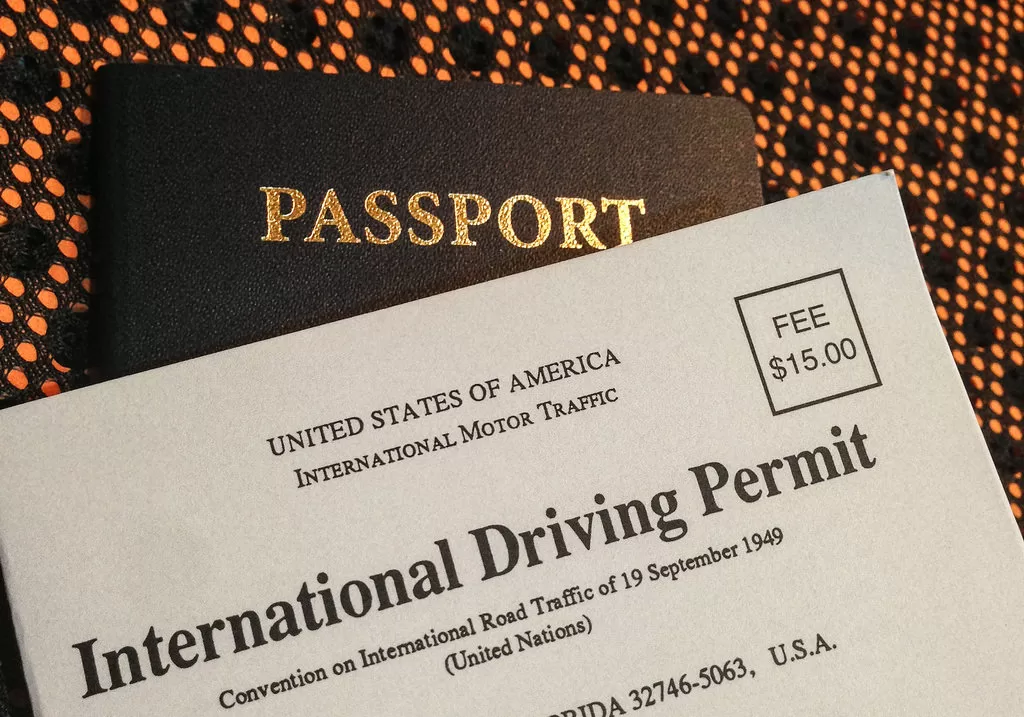
In most Australian states and territories, you are able to drive on an overseas licence as long as it is current and you have either an International Driving Permit or an English translation. Visiting drivers with disabilities will be subject to the conditions on their overseas licence. Where these conditions require vehicle modification only a modified vehicle which complies with those conditions may bedriven. Hire companies may offer modified vehicles at their own discretion.
General advice for overseas drivers can be found at: https://austroads.gov.au/drivers-and-vehicles/overseas-drivers
Queensland specific information:https://www.qld.gov.au/transport/licensing/driver-licensing/overseas/driving
Tasmania specific information: https://www.transport.tas.gov.au/licensing/interstate_or_overseas_licences
Responsible Agencies
Name of Department/Ministry: Department of Infrastructure, Transport, Regional Development, Communications, Sport, and the Arts
Name of section responsible: Connected and Automated Vehicle Policy and Partnerships
Email address for queries: transport.international@infrastructure.gov.au
Phone number for queries: +61 6136 7111
Website: www.infrastructure.gov.au
Part 2 - Parking Cards in Australia
Eligibility for disability parking cards
Wheelchair users
People with walking difficulty
People with vision impairment
Other (please specify)
Note that different states and territories have different categories which may apply.
A Disability Parking Permit is recognised nationally, but must be acquired through a state or territory authority.
Once an individual has acquired a Permit, it may be used when travelling to other Australian states and territories. All Australian states and territories include the international wheelchair logo in their permits, publications and parking spaces.
Parking permits are issued to an eligible individual rather than a vehicle.
New South Wales specific information: https://www.nsw.gov.au/driving-boating-and-transport/driver-and-rider-licences/health-conditions-and-disability/mobility-parking-permits/eligibility
Queensland specific information: https://www.qld.gov.au/disability/out-and-about/travel-transport/driving/parking-permits
Reserved parking space availability
On street.
In municipal car parks.
Parking places reserved for disabled people are indicated by the wheelchair symbol. For parking in other places (including long term), the parking badge must be displayed.
Queensland
In Queensland, disability parking permit holders may park in parking bays showing the international symbol of access. Please note that private car parks may charge their own fees.
Parking concessions for people with disabilities
Extended time limit for on-street parking.
Concessions vary between states and territories. Individuals should always check the local rules for parking and obey all other road and parking conditions and signage.
New South Wales specific information: https://www.nsw.gov.au/driving-boating-and-transport/driver-and-rider-licences/health-conditions-and-disability/mobility-parking-permits/using-your-permit#toc-interstate-and-overseas-visitors
Queensland specific information: https://www.qld.gov.au/disability/out-and-about/travel-transport/driving/parking-permits/disability-parking-permits
Application to foreign driving licence holders
The same concessions available to individuals with a disability visiting Australia.
Disability parking spaces
AS/NZS 2890.6-2009 sets the minimum requirements for accessible car parking spaces in Australia and New Zealand.
Angled parking spaces are to be 2.4m wide x 5.4m long.
Parallel parking spaces are to be no less than 3.2m wide x 7.8m long.
More guidance can be found at:
https://www.disabilityaccessconsultants.com.au/accessible-disabled-car-parking-requirements/
Responsible Agencies
Name of Department/Ministry: Department of Infrastructure, Transport, Regional Development, Communications, Sport, and the Arts
Name of section responsible: Connected and Automated Vehicle Policy and Partnerships
Email address for queries: transport.international@infrastructure.gov.au
Phone number for queries: +61 6136 7111
Website: www.infrastructure.gov.au
Part 3: Hiring a car if you have a disability in Australia
Regulations for hiring a car if you have a disability
There is no specific regulation for hiring a car if you have a disability. However, a driver must be able to meet any licence conditions.
Responsible Agencies
Name of Department/Ministry: Department of Infrastructure, Transport, Regional Development, Communications, Sport, and the Arts
Name of section responsible: Connected and Automated Vehicle Policy and Partnerships
Email address for queries: transport.international@infrastructure.gov.au
Phone number for queries: +61 6136 7111
Website: www.infrastructure.gov.au